IoT Robotics

Safety-native real-time responsiveness

interconnected city

Today’s factories are evolving into autonomous environments where decisions must be made and executed in real time. Robots, machine vision systems, predictive maintenance platforms, and industrial control systems are expected to react instantly to changing conditions. In many cases, sending data to the cloud and waiting for a response introduces delays that are no longer acceptable.

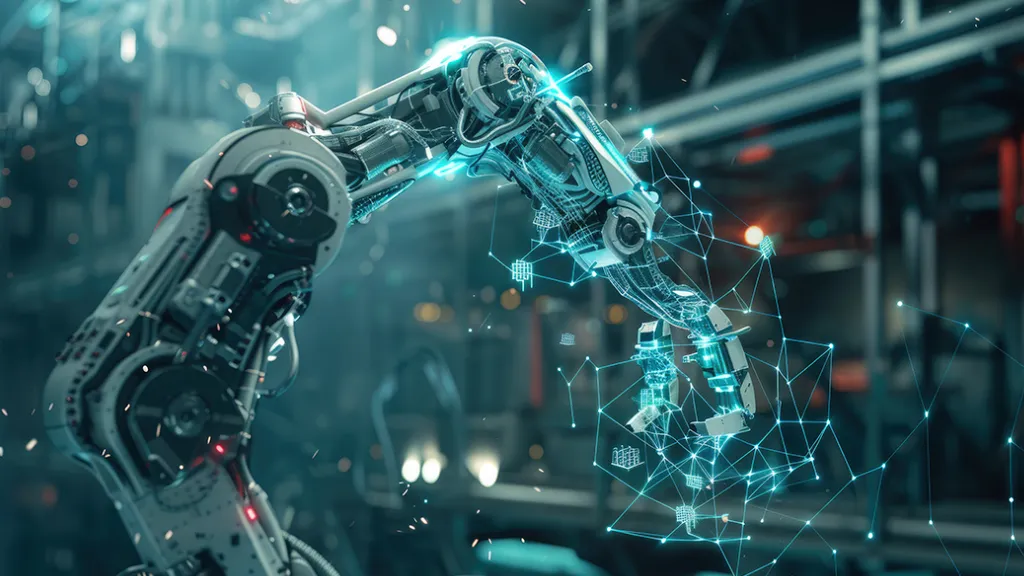
This shift is driving intelligence closer to the point of action. AI inference is moving to the edge, where data is generated and decisions must be executed. This is the foundation of Physical AI, systems that can sense, think, act, and communicate within the physical world. For manufacturers pursuing greater autonomy and efficiency, Physical AI is becoming a core architectural shift.

Use Cases

Physical AI on the Factory Floor

Physical AI extends beyond analytics or visualization. It enables systems to interact
directly with physical processes and act based on real-time conditions.

  • Autonomous mobile robots navigating dynamic production environments
  • Machine vision systems performing inline inspection and defect detection
  • Predictive maintenance systems identifying failures before they occur
  • Adaptive production systems adjusting workflows in response to changing demand or supply conditions
  • Collaborative robots operating safely alongside human workers

Grasping for the Edge

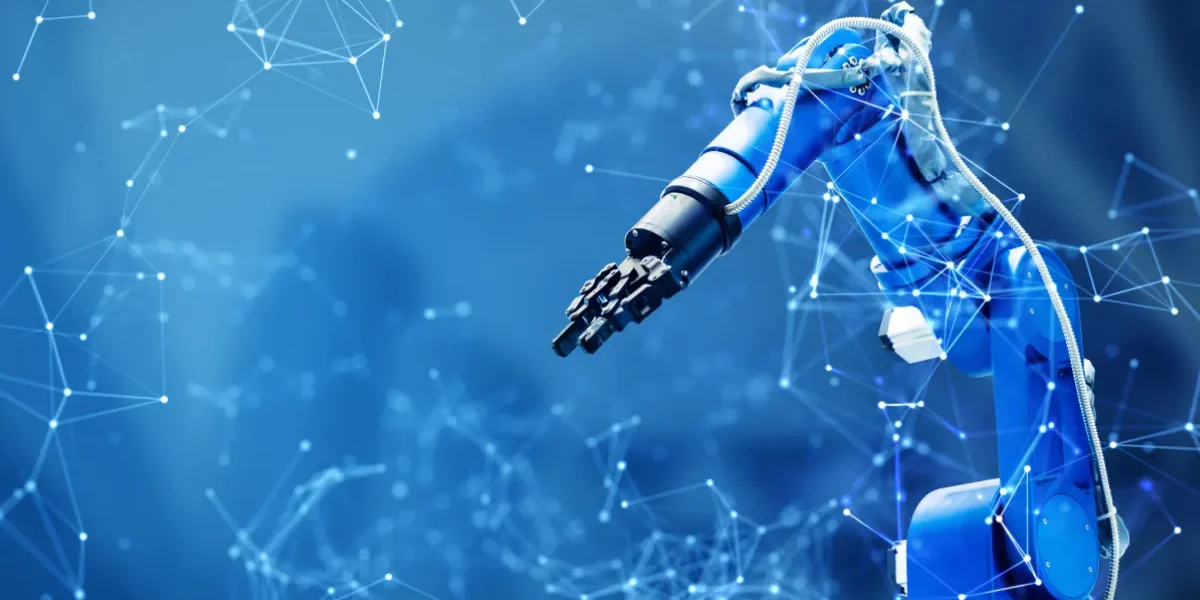
MIPS and Inova Semiconductors GmbH are delivering a robotics control reference platform for advanced humanoids and physical AI edge platforms. The platform will enable mixed-criticality compute featuring real-time control loops and secure AI workloads, manufactured on GlobalFoundries (GF) FDX platform to deliver high quality, leading performance, and ultra-low power operation. The advanced robotic arm reference platform combines the expertise of INOVA, MIPS, and GlobalFoundries to build an advanced Physical AI building block that aggregates data interfaces and enables multiple network topologies, driving fast development cycles for real-time high-performance multi-axis motion control.. The platform is a custom SoC for robotics workloads and other Physical AI applications that require mission critical capabilities, on-device secure AI, security, and highly efficient performance.

Internet of Things (IoT)

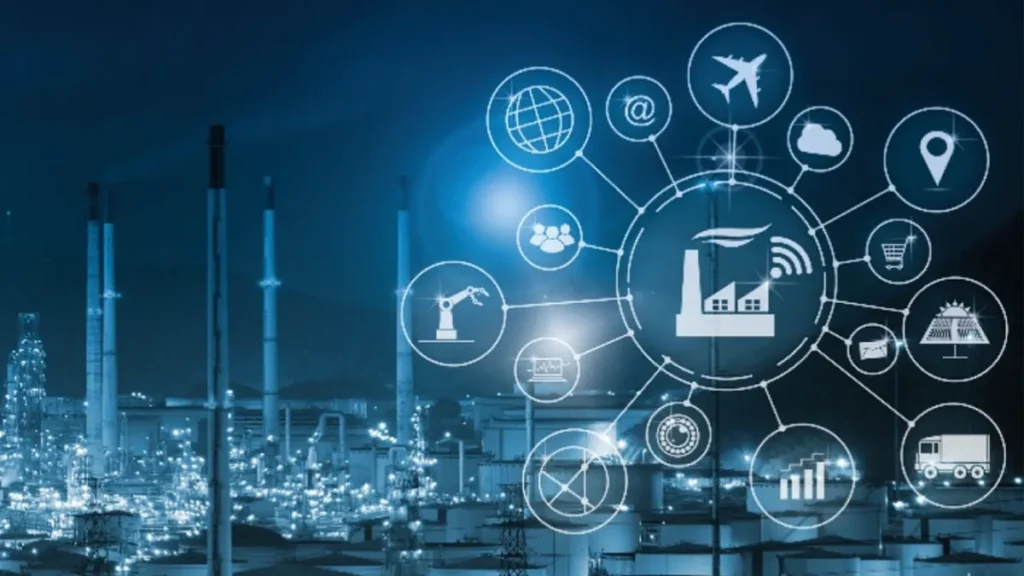
The Internet of Things (IoT) consists of intelligent objects capable of sensing environmental conditions such as motion, temperature and proximity, then processing this data and communicating to humans, machines, or systems.

IoT covers a wide range of applications including wearable fitness and medical devices, intelligent appliances, smart energy hubs, automotive, and industrial equipment, to name a few. Today, millions of connected devices comprise the Internet of Things. In the not so distant future, the IoT will consist of billions of intelligent, connected devices. DesignWare® processor solutions, subsystems and ASIP tools efficiently enable the sensor control, embedded processing and communication interfaces of IoT applications.

These extremely performance-efficient solutions are ideally suited to support the area- and power-constrained processing requirements of these ultra-low power devices.

Scroll to Top